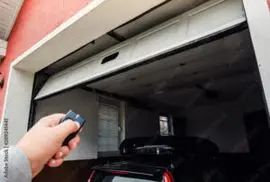
Your garage door opener may not be the problem when your garage door struggles to open or close. The real issue could be the springs that help support the door’s weight.
Garage door springs are designed to counterbalance much of the door’s weight, allowing the opener to move it with less effort. When springs weaken, break, or lose proper tension, the door can become difficult to operate and place additional strain on the opener.
For Columbus, Ohio, homeowners, recognising these warning signs early can help prevent continued operation of a potentially unsafe garage door.
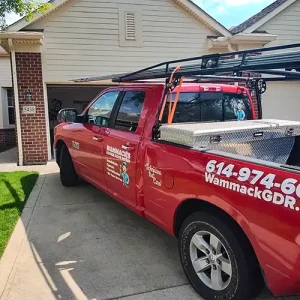
Wammack’s Garage Door Repair recently discussed this topic on FOX 28 Columbus’ Good Day Extra, explaining why garage door balance matters and when homeowners should seek professional help.
How Do You Know If Your Garage Door Is Unbalanced?
An unbalanced garage door may feel unusually heavy, move unevenly, stop unexpectedly, or cause the opener to struggle during operation. A broken spring, frayed cable, or crooked door is a more serious warning sign that the system needs professional attention.
A garage door balance test checks whether the springs adequately counterbalance the door’s weight. However, homeowners should not attempt to adjust spring tension, loosen cables, or force a door that is difficult to move.
If you notice visible damage, unusual movement, or signs of a spring problem, stop operating the door and contact a qualified garage door technician.
Why Garage Door Balance Matters
A residential garage door can weigh hundreds of pounds, depending on its size, material, and construction.
Your garage door opener is not designed to lift the door’s full unsupported weight during normal operation. Instead, the spring system helps counterbalance that weight.
Most residential garage doors use one of two spring systems:
- Torsion springs: Typically installed above the garage door opening, they store energy as they twist and help counterbalance the door.
- Extension springs: Typically installed along the horizontal tracks, they stretch and contract as the door moves.
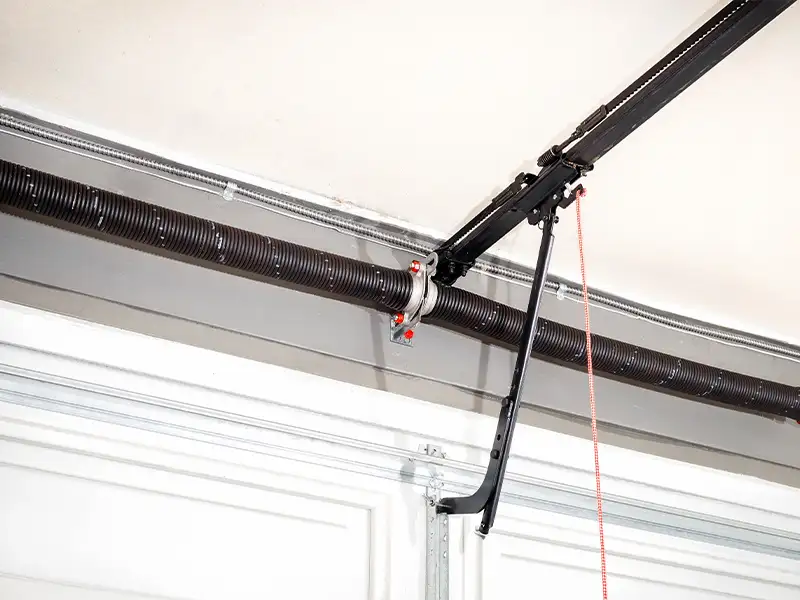
Both systems play an important role in keeping the door balanced.
When the springs are properly matched and adjusted, the garage door should move smoothly without excessive effort from the opener.
When the spring system is damaged or no longer providing sufficient counterbalance, the opener may have to work harder than intended.
How Weak Garage Door Springs Affect Your Opener
A garage door opener and its spring system work together, but they perform different functions.
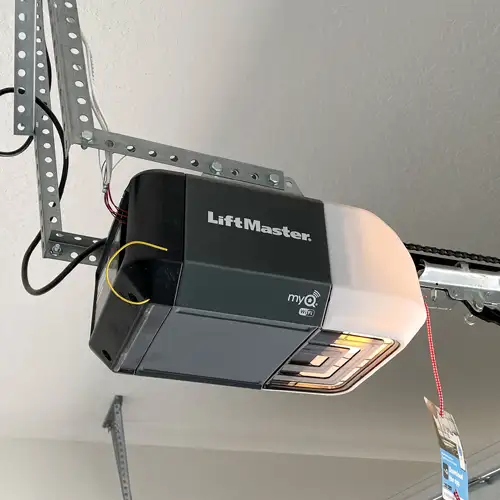
The springs counterbalance the door’s weight. The opener provides controlled movement.
If the springs cannot adequately support the door, the additional load may affect the opener’s motor, drive system, and other components.
You might notice:
- The opener sounds louder or more strained than usual.
- The garage door opens more slowly than normal.
- The opener starts moving the door but stops unexpectedly.
- The garage door moves unevenly or jerks during operation.
- The opener struggles to lift the door from the closed position.
These symptoms do not always indicate a spring problem. Opener settings, track damage, rollers, sensors, and other mechanical issues can also affect operation.
A qualified technician can inspect the complete system to determine the cause.
If you are experiencing these problems, learn more about Wammack’s garage door opener services.
What Is a Garage Door Balance Test?
A garage door balance test helps determine whether the spring system adequately counterbalances the door’s weight.
During a professional inspection, a technician can assess how the door moves, whether it remains appropriately balanced, and whether the springs or other hardware require attention.
The procedure may involve disconnecting the opener and assessing the door manually under controlled conditions.
Important: Disconnecting an opener does not make a damaged or improperly balanced door safe. A door with a broken spring may drop unexpectedly once disconnected.
For that reason, homeowners should not attempt a manual balance test if the door is heavy, crooked, damaged, difficult to move, or showing any other warning signs.
What Can Homeowners Check Safely?
You can look for warning signs without touching the springs, cables, or other hardware.
1. Look for visible spring damage
From a safe distance, inspect the area around the spring system. A visible gap in a torsion spring may indicate that the spring has broken.
Do not touch or attempt to move the spring.
2. Notice unusual sounds
A sudden loud bang from the garage can sometimes indicate a broken spring. Grinding, scraping, or other unusual noises during normal operation may also indicate a mechanical problem.
Avoid cycling the door again to investigate suspicious noises.
3. Observe how the door moves
If the door has already shown uneven movement, sudden stopping, or difficulty opening, stop using it. Do not repeatedly operate it to confirm the problem.
4. Watch for loose or damaged cables
Frayed, loose, or displaced cables can indicate a serious problem with the lifting system.
Do not touch, tighten, or reposition the cables.
5. Check for changes in normal operation
If your garage door has recently become slower, noisier, or more difficult to operate, schedule an inspection before continued use causes additional damage.
These observations do not replace a professional balance test, but they can help you recognise when the door may need attention.
7 Signs Your Garage Door Springs May Need Repair
1. Your Garage Door Feels Heavier Than Normal
A properly counterbalanced garage door should not place excessive load on its opener.
If the door appears unusually heavy or difficult to operate, the spring system may not be supporting its weight correctly.
Do not attempt to lift a heavy door manually to confirm the problem.
2. Your Garage Door Opener Is Struggling
If the opener hums, strains, or stops while trying to lift the door, the problem may involve the spring system rather than the opener itself.
Continuing to operate the door can place additional stress on mechanical components.
A technician should inspect the springs and opener before any replacement decisions are made.
3. The Door Opens Unevenly
A garage door that tilts, jerks, or moves unevenly may have problems involving cables, springs, tracks, or other hardware.
Uneven movement should not be ignored because it can indicate an unsafe condition.
4. You Hear a Loud Bang From the Garage
A sudden loud noise can occur when a garage door spring breaks.
If you suspect a broken spring, avoid operating the door and arrange a professional inspection.
5. There Is a Visible Gap in the Spring
A separated torsion spring is a strong indication of spring failure.
The spring assembly operates under significant stored energy and should only be handled by trained professionals.
6. The Door Stops Before Fully Opening
A garage door that starts opening but stops partway may have insufficient spring counterbalance or another mechanical issue.
This symptom alone does not confirm a broken spring.
Avoid repeated attempts to force the door open.
7. The Opener or Drive System Makes Unusual Noises
Grinding, straining, or other unfamiliar sounds may indicate excessive load, worn components, or an opener malfunction.
A technician can determine whether the problem originates from the opener, spring system, or another part of the door.
When Should You Stop Using Your Garage Door?
Stop operating your garage door immediately if you notice a broken spring, frayed cable, crooked door, displaced roller, sudden uncontrolled movement, or a door that appears at risk of falling.
Do not:
- Attempt to adjust or replace garage door springs yourself.
- Pull the emergency release on a door suspected of having a broken spring or other lifting-system damage.
- Force a stuck door open or closed.
- Keep pressing the opener button when the door struggles.
- Stand or walk beneath an unstable door.
- Attempt to repair or tighten loose lifting cables.
Keep children, pets, and other people away from the affected area until the door has been inspected.
If your vehicle is trapped inside the garage, avoid attempting to lift the door manually. Contact a garage door professional for assistance.
When Should You Call a Garage Door Technician?
Contact a qualified garage door technician when the door shows signs of spring failure, unusual movement, excessive weight, or opener strain.
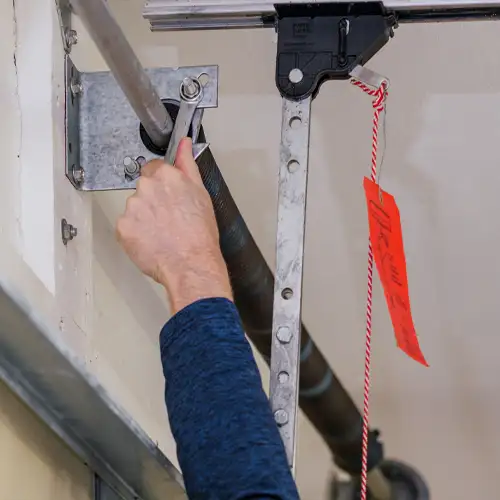
Professional assistance is particularly important when:
- The door will not open or close normally.
- A spring appears broken or separated.
- The opener struggles even though it previously operated normally.
- The door moves unevenly or appears crooked.
- Cables are loose, damaged, or displaced.
- The garage door makes loud or unusual mechanical noises.
A technician can inspect the lifting system, identify the underlying issue, and explain whether repair, adjustment, or component replacement is appropriate.
Not every difficult-to-open garage door needs a new opener. Correctly diagnosing the balance and spring system first can help avoid unnecessary component replacement.
Wammack’s Garage Door Repair Featured on FOX 28 Columbus
On October 13, 2026, Eddy from Wammack’s Garage Door Repair appeared on FOX 28 Columbus’ Good Day Extra in a segment titled:
“Is Your Garage Door Opener Working Too Hard? Try This Simple Balance Test”
The segment explained how garage door springs help support the door’s weight and why weakening springs may cause the opener to work harder than intended.
It also highlighted the importance of recognising potential balance problems before continuing to operate a door that may need professional attention.
Watch the FOX 28 Columbus garage door balance feature.
The appearance provides homeowners with an additional educational resource about garage door safety and the connection between springs and opener performance.
Garage Door Spring Problems in Columbus, Ohio
Garage doors experience regular wear from repeated use, seasonal temperature changes, and exposure to everyday operating conditions.
In Columbus, winter weather can also affect door operation. Freezing conditions, moisture, and worn weather seals may contribute to sticking or additional resistance.
However, weather alone does not establish that a garage door spring is damaged. A technician should evaluate the actual cause before recommending repairs.
If your garage door begins making unusual noises, moving unevenly, or placing additional strain on the opener, arrange an inspection rather than continuing to operate it.
Wammack’s Garage Door Repair serves homeowners seeking help with garage door repair concerns in the Columbus area.
For information about opener-related problems, visit the company’s garage door opener service page.
Frequently Asked Questions About Garage Door Balance
How do I know if my garage door is out of balance?
An unbalanced garage door may move unevenly, become unusually difficult to operate, or cause the opener to strain. These symptoms can have several causes, so a professional inspection is recommended to confirm whether the spring system is responsible.
Can a weak garage door spring damage my opener?
Yes. A spring system that no longer provides sufficient counterbalance can increase the load on the opener. Continued operation may contribute to premature wear or mechanical damage.
Can I perform a garage door balance test myself?
A manual balance test can be hazardous when a door has damaged springs, cables, or lifting components. If you are unsure of the system’s condition, avoid disconnecting the opener or moving the door manually. Have a trained technician conduct the test.
Why does my garage door opener struggle to lift the door?
Possible causes include weakened or broken springs, damaged rollers, track problems, excessive resistance, or an opener malfunction. The entire operating system should be inspected to determine the cause.
Should I replace my garage door opener if it struggles?
Not necessarily. The opener may be functioning correctly but experiencing excessive resistance from an improperly balanced door. Have the spring system and mechanical components checked before replacing the opener.
Can I open my garage door with a broken spring?
Avoid doing so. A door with a broken spring may be extremely heavy and can fall unexpectedly. Do not force it open, use the opener to lift it, or disconnect the opener without professional guidance.
How often should garage door springs be inspected?
Garage door springs should be included in routine professional maintenance. Inspection frequency depends on the door’s age, usage, operating conditions, and manufacturer recommendations. Arrange an earlier inspection if warning signs appear.
Is a noisy garage door always caused by bad springs?
No. Noise may come from worn rollers, hinges, tracks, opener components, or other mechanical problems. A technician can identify the source and recommend suitable repairs.
Does cold weather affect garage door balance?
Cold weather can affect garage door operation through moisture, frozen seals, and changes in component performance. However, a door that becomes difficult to operate should not automatically be assumed to have a spring problem.
When should I contact a garage door repair technician in Columbus?
Contact a technician when the garage door struggles to open, moves unevenly, makes unusual noises, or shows visible damage to springs or cables. Stop operating the door if there are signs of instability or spring failure.
Need Help With Your Garage Door Springs or Opener?
A garage door that struggles to open does not always need a new opener. In some cases, the underlying problem is a damaged or improperly balanced spring system.
Wammack’s Garage Door Repair can help you determine whether the issue involves your garage door springs, opener, or another mechanical component.
If you have noticed unusual noises, uneven movement, or signs of spring failure, avoid continued operation and arrange a professional inspection.
Call Wammack’s Garage Door Repair: (614) 974-6053
Visit Wammack’s Garage Door Repair or explore its garage door opener services.